Private Cloud for Third-Party Administrators
Full data sovereignty in a U.S.-based Tier III datacenter. Control where participant PII lives and who can access it.
Why TPAs Choose Private Cloud Over Public Cloud
Public cloud services like AWS and Azure offer convenience, but for TPAs handling sensitive participant data for 401(k) plans, profit sharing plans, cash balance plans, and ESOPs, they introduce risks that ERISA fiduciaries must consider carefully.
With private cloud, you control exactly where your data lives, who can access it, and how it's protected. When a plan sponsor asks where their participants' Social Security numbers are stored, you have a clear answer.
Data Sovereignty for ERISA Compliance
DOL cybersecurity guidance emphasizes knowing where your data is and who has access to it. Our private cloud provides complete visibility and control over your infrastructure—no shared resources with unknown tenants, no data crossing international borders.
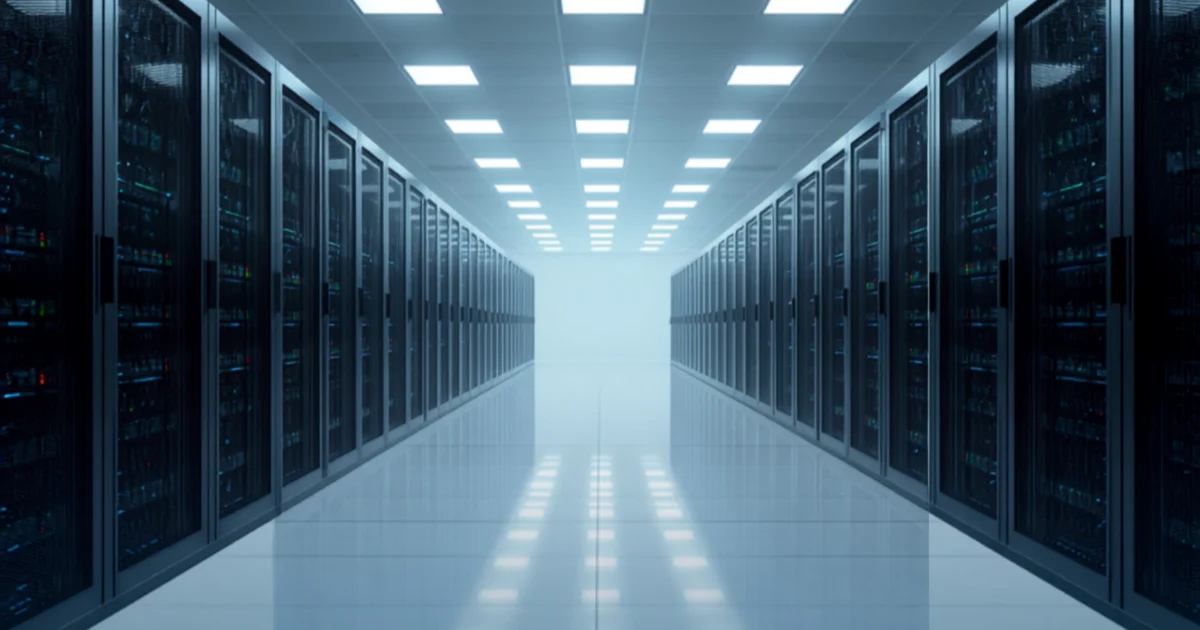
U.S.-Based Tier III Datacenter
Your infrastructure resides in a California-based Tier III datacenter. The facility maintains rigorous certifications and independent audit reports that support your own compliance requirements.
Facility Certifications and Audits
- ISO 27001 — Information security management
- SOC 1 SSAE 18 Type II — Financial reporting controls
- SOC 2 Type II — Security, availability, confidentiality
- NIST 800-53 PE High — Physical and environmental controls
- PCI DSS — Payment card data security
Our practices align with these frameworks to support your ERISA fiduciary obligations and help you demonstrate compliance to plan sponsors.
Infrastructure Features
VLAN-Isolated Environments
Your infrastructure is isolated via VLAN segmentation—no shared resources with other clients. Complete network separation protects your participant data.
Offsite Disaster Recovery
Automated replication to a geographically separate facility ensures business continuity. Tested recovery procedures support DOL’s business resiliency best practice (#9).
Encryption at Rest and In Transit
All participant data is encrypted using industry-standard protocols, meeting the DOL's data protection expectations for ERISA plans.
24/7 Monitoring
Continuous infrastructure monitoring detects issues before they impact your operations. Proactive maintenance keeps your systems stable.
Private Cloud vs. Public Cloud for TPAs
Understanding the trade-offs for ERISA-regulated businesses.
Private Cloud Advantages
- Full data sovereignty and control
- Known physical location of data
- No multi-tenant resource sharing
- Simpler compliance documentation
- Consistent pricing (no surprise charges)
- Direct relationship with infrastructure provider
Public Cloud Considerations
- Data location depends on the regions and services you configure
- Shared infrastructure with unknown tenants
- Complex compliance documentation
- Variable pricing based on usage
- Abstract vendor relationships
- May require additional security layers
| Factor | TPAIT Private Cloud | Generic Public Cloud |
|---|---|---|
| Data location | Known U.S. Tier III datacenter | Region-level only; may shift across zones |
| Tenancy | Dedicated infrastructure, no shared tenants | Multi-tenant shared hardware |
| Compliance evidence | SOC 1/2, ISO 27001 facility; single documentation trail for DOL and plan-sponsor due diligence | Shared-responsibility model; you assemble the evidence across layers |
| Pricing | Fixed, predictable monthly cost | Usage-based, variable billing |
| Vendor relationship | Direct relationship with the infrastructure provider | Abstract, ticket-based vendor layers |
| Security add-ons | Included in the managed service | Often require additional licensed layers |
Related Insights
Complete TPA IT Solutions
Managed IT
24/7 support with a dedicated Service Desk Manager who understands TPA operations.
Cybersecurity
24/7 SOC monitoring, endpoint protection, and incident response aligned with DOL best practices.
Private Cloud
U.S.-based Tier III hosting with full data sovereignty for ERISA plan data.
You are here
Common Questions
What should 457(b) and government plan sponsors require for data security and disaster recovery?
A known U.S. data location, dedicated (not multi-tenant) infrastructure, encryption at rest and in transit, tested disaster recovery with defined RTO/RPO, and vendor documentation that stands up to public-sector procurement review. Public agencies often hold vendors to stricter standards than ERISA minimums.
What are the security requirements for systems that access retirement plans?
Phishing-resistant MFA, encrypted connections, least-privilege access, continuous monitoring, and audit evidence for every system with a path to participant data — the standard DOL's best practices set for plan service providers.
Where should a TPA host retirement plan data?
In a U.S.-based, independently audited facility (ISO 27001, SOC 1/2) on infrastructure dedicated to your firm, with a known physical location, offsite replication, and documentation your plan sponsors can review during due diligence.
Ready for Infrastructure You Control?
Discuss how private cloud can support your ERISA compliance requirements.
Book Consultation (opens in new tab)